Synchronizing Championship Qualification Timelines with Loyalty Tier Acceleration Windows Across Team Events and Interactive Platforms
Paul Fischer · Nov 24, 2026
Synchronizing Championship Qualification Timelines with Loyalty Tier Acceleration Windows Across Team Events and Interactive Platforms
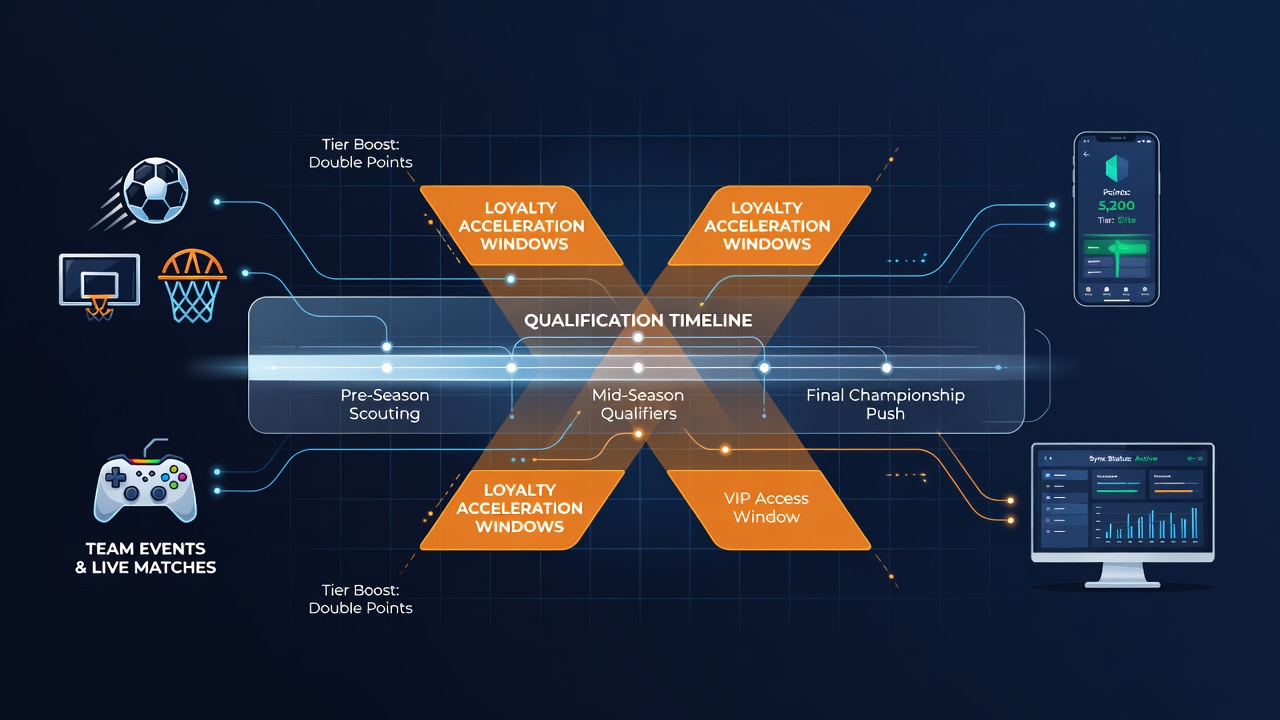
Professional sports leagues and digital platforms coordinate championship qualification schedules with loyalty tier acceleration windows to support fan engagement across multiple team events. Qualification timelines typically span several months and involve regular season performance metrics that determine playoff or tournament entry, while loyalty programs on interactive platforms offer accelerated point accumulation during designated periods tied to those same competitive phases. Data from the Australian Sports Commission indicates that synchronized systems increase platform activity rates by measurable margins during aligned windows.
Core Elements of Qualification Timelines
Championship qualification follows structured calendars established by governing bodies for leagues such as the NBA, UEFA Champions League pathways, and international cricket circuits. These calendars set fixed start and end dates for regular season play, followed by postseason selection based on standings or knockout results. Observers note that teams must meet performance thresholds within these windows, and any shifts in scheduling due to external factors like venue availability require adjustments across connected systems. Researchers at sports management institutions have documented how these fixed periods create predictable patterns that platforms can reference when planning user incentives.
Loyalty Tier Acceleration Mechanisms
Interactive platforms maintain tiered loyalty structures where users progress through levels by earning points from actions such as app logins, content interactions, and event participation. Acceleration windows compress the time required to reach higher tiers by multiplying point values during specific intervals. Those intervals often correspond to high-visibility team events, including qualification deciders or playoff matches. Figures from industry reports show that platforms adjust multipliers based on historical engagement data collected during prior seasons, allowing precise calibration of reward pacing without altering base tier requirements.
Integration Across Team Events and Platforms
Team events generate distinct data streams that platforms ingest to trigger loyalty accelerations. League standings updates feed directly into backend systems, prompting automatic activation of bonus periods when a critical mass of teams approaches qualification thresholds. In November 2026, several European football leagues and North American basketball conferences enter mid-season qualification stretches, prompting platforms to open concurrent acceleration windows that run parallel to remaining fixture lists. This coordination relies on API connections between official league databases and platform servers, ensuring real-time responsiveness to on-field outcomes.
Platform operators segment user bases by geographic region and preferred teams, then layer acceleration rules accordingly. Users following multiple squads across different sports receive tailored notifications when any single team enters a decisive qualification phase. Studies conducted by university research groups reveal that such segmentation improves retention metrics because participants encounter relevant incentives at moments of natural interest in competitive outcomes.
Technical Synchronization Practices
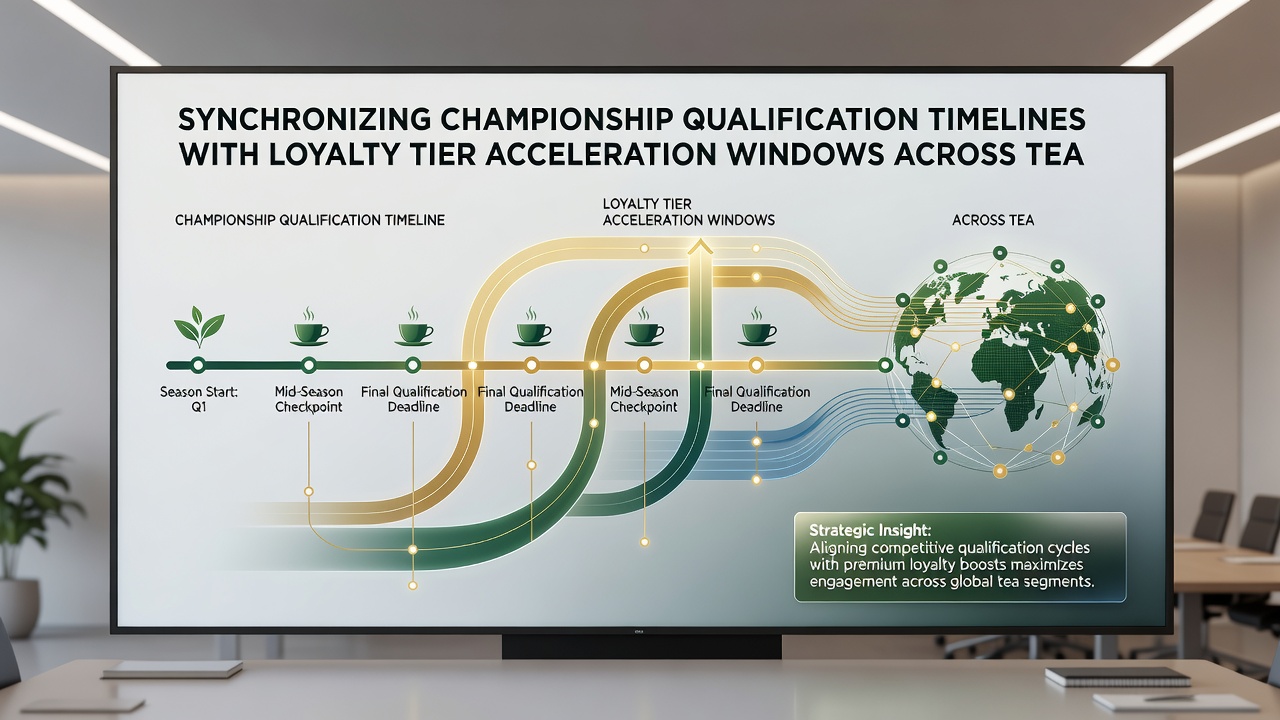
Developers implement shared calendars that map league qualification deadlines onto loyalty system clocks. These calendars incorporate buffer periods to accommodate schedule changes announced by leagues mid-season. Automated scripts monitor official result feeds and adjust point multipliers within minutes of confirmed standings updates. Canadian Olympic Committee documentation highlights similar mapping techniques used in multi-sport environments where qualification for major games overlaps with national league play.
Security protocols verify that acceleration windows activate only after official qualification milestones are reached, preventing premature or erroneous point awards. Audit logs maintained by platform teams record every change to tier parameters, creating traceable records that satisfy compliance requirements from various sports regulatory frameworks.
Observed Outcomes in Multi-Event Environments
Platforms operating across football, basketball, and rugby report higher daily active user counts when loyalty accelerations align with clustered qualification events. One documented case involved a European platform that synchronized three separate league calendars during autumn months, resulting in sustained engagement through the combined qualification periods. Data compiled by academic research teams indicates that staggered but coordinated windows prevent user fatigue while still capitalizing on peak interest moments.
Cross-platform partnerships further extend these effects. When a single loyalty account links to multiple team apps, progress toward tiers carries across services during shared acceleration periods. This approach reduces friction for supporters who follow several clubs or sports simultaneously.
Conclusion
Effective synchronization between championship qualification timelines and loyalty tier acceleration windows depends on accurate data integration, region-specific segmentation, and responsive technical infrastructure. Leagues and platforms continue to refine these alignments as event calendars evolve, particularly around periods such as November 2026 when multiple qualification cycles converge. Organizations that maintain precise mapping between competitive schedules and user incentive systems record consistent patterns of platform interaction tied directly to on-field developments.